Exploring DAN's Recompression Chamber Network: A Lifeline for Divers
Diving into the underwater world offers unparalleled beauty and excitement, but it also carries inherent risks. For those unforeseen circumstances, having a robust safety net is paramount. At the heart of this global safety network for divers stands the Divers Alert Network (DAN), an organization synonymous with dive safety and emergency medical assistance. One of the most critical components of DAN's support infrastructure is its extensive Recompression Chamber Network, a global system designed to provide immediate and specialized care for diving-related injuries.
This article delves into the vital role of DAN's recompression chamber network, exploring its operational strategy, the science behind recompression therapy, and how DAN connects divers to this life-saving resource. Understanding this network is not just about knowing where to go in an emergency; it's about appreciating the meticulous planning and dedicated support that underpins safe diving worldwide.
The Lifeline Beneath the Waves: Understanding Recompression Chambers
To truly grasp the importance of DAN's Recompression Chamber Network, it's essential to understand the conditions it treats and how it works. The primary injuries addressed by recompression chambers are Decompression Sickness (DCS), often referred to as "the bends," and Arterial Gas Embolism (AGE). Both are severe conditions that can occur when divers ascend too quickly, causing nitrogen bubbles to form or expand in the body.
- Decompression Sickness (DCS): Occurs when dissolved nitrogen comes out of solution and forms bubbles in tissues and the bloodstream during or after ascent. Symptoms can range from joint pain and skin rashes to paralysis, brain damage, and even death.
- Arterial Gas Embolism (AGE): A more immediate and life-threatening condition where gas bubbles enter the arterial bloodstream, often caused by holding one's breath during ascent. These bubbles can travel to the brain, heart, or other vital organs, leading to stroke-like symptoms, heart attack, or respiratory failure.
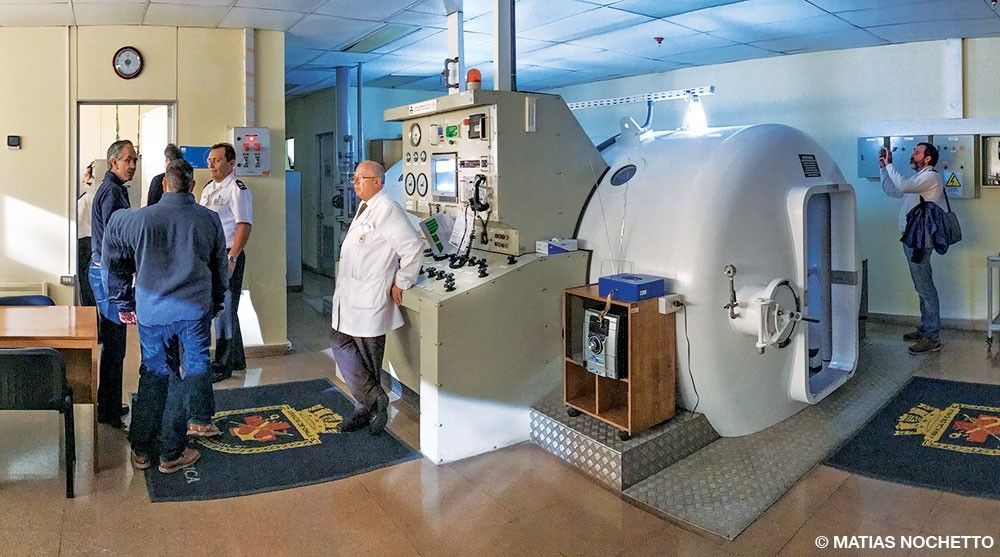
A recompression chamber, also known as a hyperbaric chamber, treats these conditions by simulating a return to depth under controlled conditions. Inside the chamber, the patient is subjected to increased atmospheric pressure, which helps to:
- Reduce Bubble Size: Higher pressure physically compresses the nitrogen bubbles, making them smaller and less damaging.
- Dissolve Bubbles: The increased pressure helps to redissolve the nitrogen gas back into the blood and tissues, allowing it to be safely transported out of the body during controlled decompression.
- Enhance Oxygen Delivery: Patients typically breathe 100% oxygen inside the chamber. This hyperbaric oxygen therapy (HBOT) significantly increases the amount of oxygen dissolved in the blood plasma, promoting healing, reducing swelling, and supporting tissues deprived of normal blood flow by gas bubbles.
The speed with which a diver receives recompression treatment is often critical to the outcome. Delays can lead to permanent injury or even death. This is where DAN's strategic coordination of chambers becomes a literal lifeline.
DAN's Strategic Imperative: Building a Global Safety Net
The Divers Alert Network was founded on a simple yet profound mission: to help divers in need and to promote dive safety through research, education, and medical assistance. From its inception, a core aspect of About Divers Alert Network: Essential Dive Safety has been the development and maintenance of a reliable network of recompression chambers. This isn't just a collection of facilities; it's a strategically coordinated system designed to ensure that wherever divers explore, help is within reach.
The DAN's strategic approach to building and managing this global network involves several key pillars:
- Identification of Need: DAN continuously monitors diving activity worldwide to identify regions where chambers are lacking or where existing facilities need support and upgrades.
- Support and Development: Rather than solely building new chambers, DAN often provides crucial financial, technical, and medical support to existing hyperbaric facilities, helping them meet the specific demands of treating diving injuries. This can include equipment upgrades, staff training, and protocol development.
- Standardization and Training: To ensure consistent, high-quality care, DAN promotes standardized protocols for the treatment of diving injuries. They also play a significant role in training medical personnel, hyperbaric technicians, and chamber operators globally, ensuring that the staff managing these chambers are proficient in the latest hyperbaric medicine techniques.
- Information Dissemination: DAN maintains an up-to-date database of recompression chambers and hyperbaric facilities worldwide. This comprehensive resource is essential for their emergency hotlines to direct divers quickly and efficiently to the nearest appropriate facility.
This proactive and collaborative strategy is what transforms individual chambers into an effective global safety net. It demonstrates a deep understanding of the challenges divers face and a commitment to providing tangible solutions.
Navigating Emergencies: How DAN Connects Divers to Care
In a diving emergency, panic can set in, and critical time can be lost trying to figure out what to do. This is precisely where DAN's operational strategy shines, providing a calm, expert conduit between a diver in distress and the specialized medical care they need. When a diving accident occurs, DAN's emergency hotline becomes the central point of contact.
Here’s how DAN typically helps navigate a dive emergency requiring recompression:
- Immediate Contact: Divers or their companions call DAN's emergency hotline, which is staffed 24/7 by experienced diving medical professionals.
- Medical Assessment: DAN's medical team conducts an immediate assessment of the diver's symptoms and circumstances, providing initial first-aid advice and determining the likely nature of the injury (e.g., DCS, AGE).
- Chamber Referral and Logistics: Based on the assessment and the diver's location, DAN's team identifies the nearest appropriate recompression chamber within their extensive network. They then coordinate logistics, which can include arranging transportation (often emergency evacuation), contacting the chamber facility, and providing them with the diver's medical information in advance. This efficient coordination is a testament to DAN World: Global Network for Diver Safety & Support, ensuring seamless international support.
- Medical Oversight: Throughout the process, DAN medical staff maintain contact with the diver, their companions, and the treating facility, offering expert medical guidance and ensuring appropriate treatment protocols are followed.
The ability of DAN to rapidly assess, refer, and oversee care is invaluable. It reduces confusion, accelerates access to treatment, and provides reassurance during what is often a terrifying experience. This intricate system relies on careful planning and constant vigilance, reflecting the kind of robust strategic planning necessary for effective global emergency response.
Beyond the Chamber: DAN's Holistic Approach to Diver Safety
While the Recompression Chamber Network is a critical element, it represents just one facet of DAN's broader, holistic strategy for diver safety. DAN understands that true safety extends beyond emergency response to encompass prevention, education, and ongoing support.
This comprehensive approach includes:
- Research: DAN conducts vital research into diving physiology, injury prevention, and treatment protocols. This research directly informs best practices and helps continually refine dive safety guidelines.
- Education: Through courses, seminars, and extensive online resources, DAN educates divers, instructors, and medical professionals on topics ranging from oxygen first aid and hazardous marine life injuries to dive accident management and emergency preparedness. Knowledge is a powerful tool in prevention, and DAN's educational offerings empower divers to make safer choices.
- Medical Resources & Information: DAN provides non-emergency medical advice and information to divers through their medical information line, helping individuals understand their fitness to dive, manage pre-existing conditions, or recover from injuries.
- Dive Accident Insurance: Recognizing the significant costs associated with dive accidents, especially recompression treatment and medical evacuation, DAN offers specialized insurance plans. These plans are designed to cover expenses that often fall outside standard medical policies, ensuring divers can afford the care they need without financial burden. This is a crucial part of DAN's preventative and responsive strategy.
This multi-faceted approach underscores DAN's commitment to protecting divers at every stage of their journey, from pre-dive planning to post-incident recovery. It's a continuous cycle of learning, sharing, and supporting, all aimed at fostering a safer diving community.
Conclusion
The Divers Alert Network's Recompression Chamber Network stands as a testament to strategic foresight and unwavering dedication to diver safety. It is a critical component of a larger, integrated system that encompasses emergency medical assistance, research, education, and insurance. For any diver, understanding the existence and accessibility of this network provides a profound sense of security. DAN's proactive and comprehensive approach ensures that the underwater world can continue to be explored with greater confidence, knowing that expert help and a vital lifeline are always within reach.